
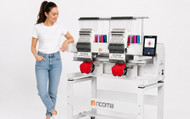
Nothing disrupts an embroidery job faster than a thread break.
You've hooped the garment, loaded the design, started production, and then suddenly the machine stops. A single thread break may seem minor, but when it happens repeatedly, it can affect productivity, embroidery quality, and customer deadlines.
Whether you're embroidering workwear, caps, uniforms, or promotional products, understanding why thread breaks occur can help you keep production running smoothly and avoid costly interruptions.
Why Does Embroidery Thread Break?
Embroidery thread is designed to withstand high-speed stitching, but several factors can place excessive stress on it. In most cases, thread breaks are not caused by the thread itself. Instead, they are often the result of machine settings, maintenance issues, poor digitising, or incorrect materials.
The good news is that most thread break problems can be solved quickly once the root cause is identified.
Scenario #1: The Machine Keeps Stopping Every Few Minutes
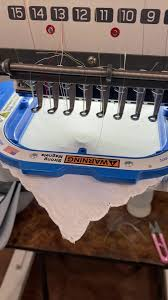
If thread breaks occur consistently throughout a design, the first area to investigate is thread tension.
When tension is too tight, the thread is pulled with excessive force every time a stitch is formed. Over thousands of stitches, this strain can cause the thread to snap repeatedly.
Quick Fix
Run a small test design and gradually adjust the upper thread tension until stitches appear balanced on both sides of the fabric.
A properly adjusted tension system allows the thread to flow smoothly without unnecessary resistance.
Scenario #2: Thread Breaks Start Happening on Multiple Needles
When breaks begin occurring across several needles rather than one specific needle position, the issue may be related to thread quality.
Low-quality embroidery thread often contains inconsistencies that become more noticeable during high-speed production. Old thread can also become brittle due to exposure to sunlight, dust, or humidity.
Quick Fix
Check the thread spool for:
- Fraying
- Knots
- Workwear and uniforms
- Uneven winding
- Signs of age or fading
Using premium embroidery thread can significantly reduce production interruptions while improving stitch quality.
Scenario #3: Breaks Only Happen During Certain Designs
Sometimes the Embroidery machine performs perfectly until a specific design is loaded.
This often points to a digitising issue rather than a machine problem.
Poorly digitised embroidery files may contain:
- Excessive stitch density
- Unnecessary trims
- Sharp stitch angles
- Overlapping stitch sections
These elements force the machine to work harder and place additional stress on the thread.
Quick Fix
Review the embroidery file and look for overly dense sections. Professional digitising software can help optimise stitch paths and reduce unnecessary strain on the thread.
Scenario #4: The Thread Frays Before Breaking
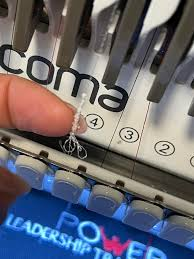
If thread appears fuzzy or frayed before snapping, the needle may be the culprit.
Even a slightly worn needle can create friction that weakens the thread during embroidery.
Think of the needle as the gateway every stitch must pass through. If that gateway becomes damaged, thread problems quickly follow.
Quick Fix
Replace embroidery needles regularly, especially when switching materials or after extended production runs.
Many professional embroidery shops replace needles proactively rather than waiting for problems to appear.
Scenario #5: Thread Breaks Increase During Busy Production Periods
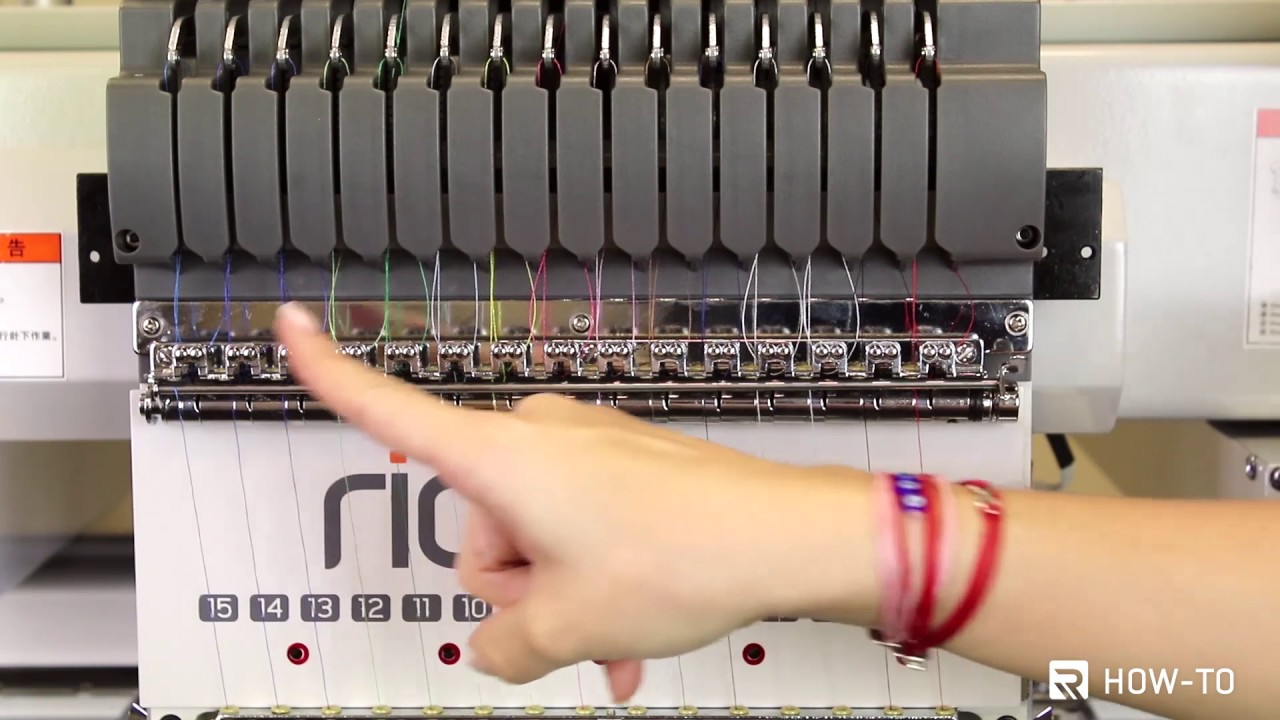
When embroidery machines run continuously, lint and dust naturally accumulate around moving parts.
Over time, thread guides, tension assemblies, and needle areas can become obstructed.
The result?
Inconsistent thread flow and more frequent thread breaks.
Quick Fix
Implement a routine cleaning schedule that includes:
- Removing lint build-up
- Cleaning thread paths
- Inspecting tension discs
- Checking moving components
A few minutes of maintenance can prevent hours of downtime later.
An Often-Overlooked Cause: Incorrect Stabiliser
Many embroiderers focus on thread, needles, and machine settings while overlooking fabric stability.
When fabric shifts or stretches during stitching, the embroidery machine must compensate for the movement. This creates additional stress on the thread and can contribute to breakage.
Stretch fabrics are particularly vulnerable when paired with the wrong stabiliser.
Choosing the appropriate backing for the fabric type helps create a stable embroidery environment and reduces stitching problems.
A Simple Thread Break Prevention Checklist
Before starting any embroidery project, ask yourself:
- Is the thread in good condition?
- Is the needle sharp and appropriate for the fabric?
- Are tension settings balanced?
- Has the machine been cleaned recently?
- Is the design properly digitised?
- Am I using the correct stabiliser?
Completing this quick checklist can eliminate many common embroidery issues before they occur.
Better Prevention Means Better Productivity
Every embroidery business wants to maximise production efficiency while maintaining high-quality results.
While thread breaks can never be eliminated entirely, most recurring problems stem from issues that are easy to identify and correct.
Regular maintenance, quality materials, proper digitising, and careful machine setup all contribute to smoother production and fewer interruptions.
The more proactive your troubleshooting process becomes, the more time you can spend creating exceptional embroidered products instead of resolving avoidable machine stoppages.
Final Thoughts
Thread breaks are one of the most common challenges in commercial embroidery, but they are rarely random. By understanding the warning signs and addressing potential issues early, embroidery businesses can reduce downtime, improve efficiency, and maintain consistent stitch quality.
Whether you're producing branded uniforms, promotional merchandise, personalised gifts, or large-volume apparel orders, preventing thread breaks is an important step towards achieving professional embroidery results every time.